A road trip is one of the more flexible formats in travel — it suits solo travellers, small groups, and families alike, and it can be shaped around almost any landscape, from coastal cliffs to mountain passes to open farmland. But a journey of several days on the road involves more planning than simply choosing a destination and setting off. Pacing, overnight logistics, route selection, and the balance between structure and spontaneity all feed into how the experience actually unfolds.
Choosing a Route Framework
Most multi-day road trips are built around a loose framework: a starting point, a general direction of travel, a few anchor stops, and an end point. Anchor stops are places where an overnight stay or a longer pause is planned in advance — often a town, a national park entrance, or a port. Between those anchors, the route can remain open, allowing drivers to follow secondary roads, detour toward viewpoints, or linger in villages that appear unexpectedly along the way.
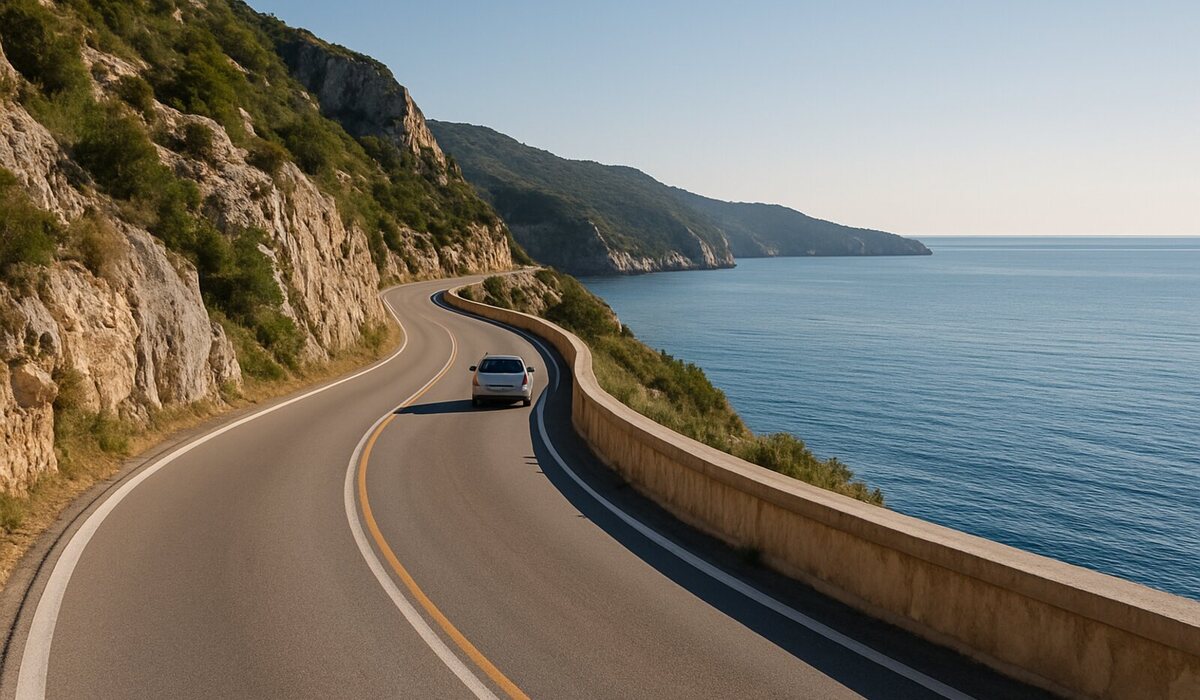
When selecting the general corridor of a route, it helps to look at topography rather than just distance. A route across flat agricultural land at steady speed will feel very different from one that climbs through passes and drops into valleys, even if the two cover similar ground on a map. Road surface conditions and seasonal closures are also worth checking through official national road authority or parks service sources, as these can change and are not always reflected in mapping applications.
Pacing and Daily Distances
A common pattern among experienced road travellers is to keep driving time to roughly four to six hours per day, which leaves several hours of daylight for stops, walks, and exploration at each location. This is a guideline rather than a rule — some legs of a journey may be shorter to allow more time in a particular area, while others may stretch longer to cross a remote section with few stopping options.
It is worth building at least one or two rest days into a longer itinerary. These are days with no planned drive, where the focus shifts entirely to a single place — a hiking trail, a market, a coastal walk, or simply wandering through a town. Rest days tend to produce some of the more memorable moments of a road trip, partly because they remove the pressure of covering distance.

What to Keep Accessible in the Vehicle
Organisation within the vehicle becomes more important than it might initially seem on a multi-day drive. Items that are needed frequently — water, snacks, a paper map or downloaded offline maps, sunglasses, a jacket — should be reachable without unpacking the boot. Luggage that is accessed only at overnight stops can be packed more densely at the back.
- Navigation: Offline maps downloaded before departure are useful in areas with poor mobile coverage. A physical road atlas remains a practical backup in remote regions.
- Documentation: Entry requirements, road rules, and vehicle insurance requirements vary between countries and regions. These should be verified through official sources before crossing borders.
- Supplies for remote legs: On stretches between towns, having water, basic food, and a small first-aid kit in the vehicle is a sensible precaution.
Photographing a Road Trip
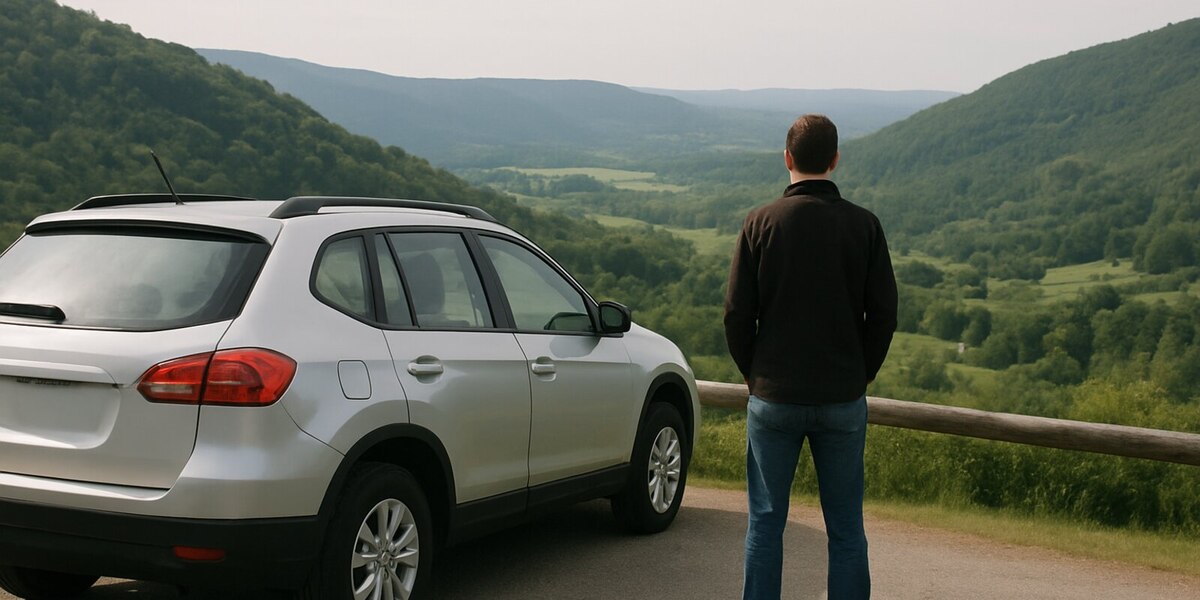
Road trips lend themselves well to travel photography because the journey itself — not just the destinations — is the subject. Stopping briefly at pull-offs to photograph the road ahead, the light on a hillside, or a cluster of buildings in a valley produces a visual record that reflects the actual experience of driving through a place. Keeping a camera or phone accessible rather than buried in a bag makes these spontaneous stops easier to act on.
Travel journalling alongside photography can add context that images alone do not capture — notes on the smell of pine forest after rain, the texture of a gravel road, or the name of a dish eaten at a roadside stop. Together, photographs and written notes tend to produce a more complete record of a road journey than either medium does separately.
Entry Requirements and Practical Verification
Road trips that cross regional or national borders introduce additional planning considerations. Entry rules, vehicle documentation requirements, and road regulations change periodically, and the most reliable information comes from official government or border authority sources rather than travel forums. Conditions at specific passes, parks, and coastal routes can also change seasonally, so checking these through official park or transport authority channels before departure is a practical step.